

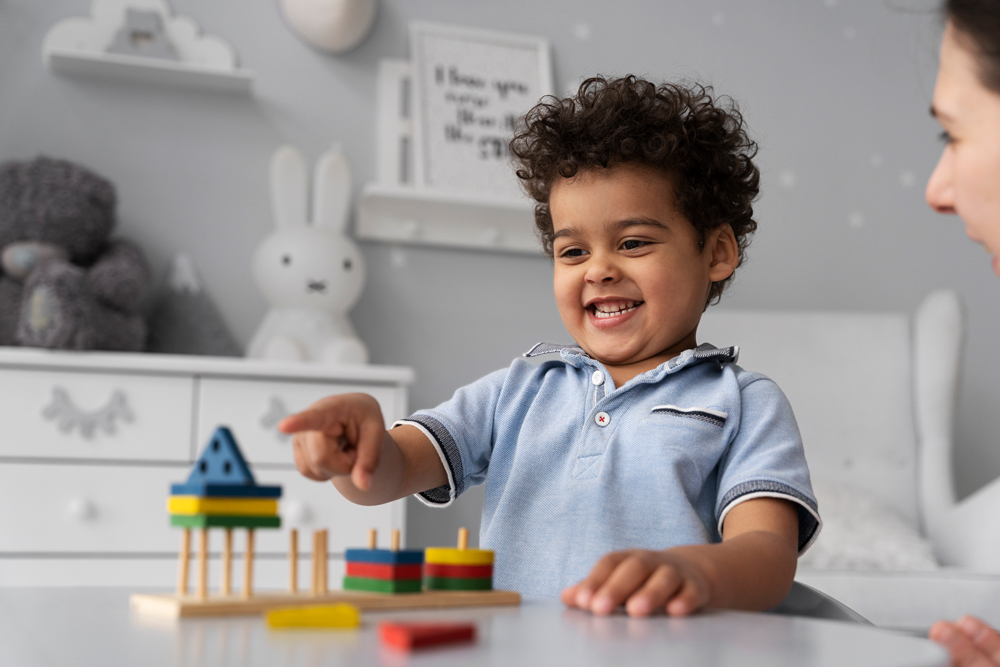
Understanding Specific Learning Difficulties (SLDs) in Children
Every child has their own learning style. While many learn reading, writing, and comprehension with ease, some face persistent challenges that are not due to lack of effort, motivation, or intelligence. These are called Specific Learning Difficulties (SLDs) — lifelong conditions that affect how the brain processes information. Recognizing these challenges early helps parents and teachers provide targeted support, build confidence, and ensure no child is left behind. 1. Dyslexia – Difficulty with Reading and Spelling Dyslexia is one of

Understanding Dyscalculia: When Numbers Don’t Make Sense
Dyscalculia is a learning difficulty that makes it hard for a person to understand numbers and math. Just like dyslexia affects reading and writing, dyscalculia affects learning math. Children with dyscalculia may be smart and good at other subjects, but when it comes to numbers, they feel confused or anxious. What Does It Look Like? Let’s meet Anaya, a cheerful child who loves drawing and telling stories. But during math class, she struggles. She can’t remember what “5 + 3”
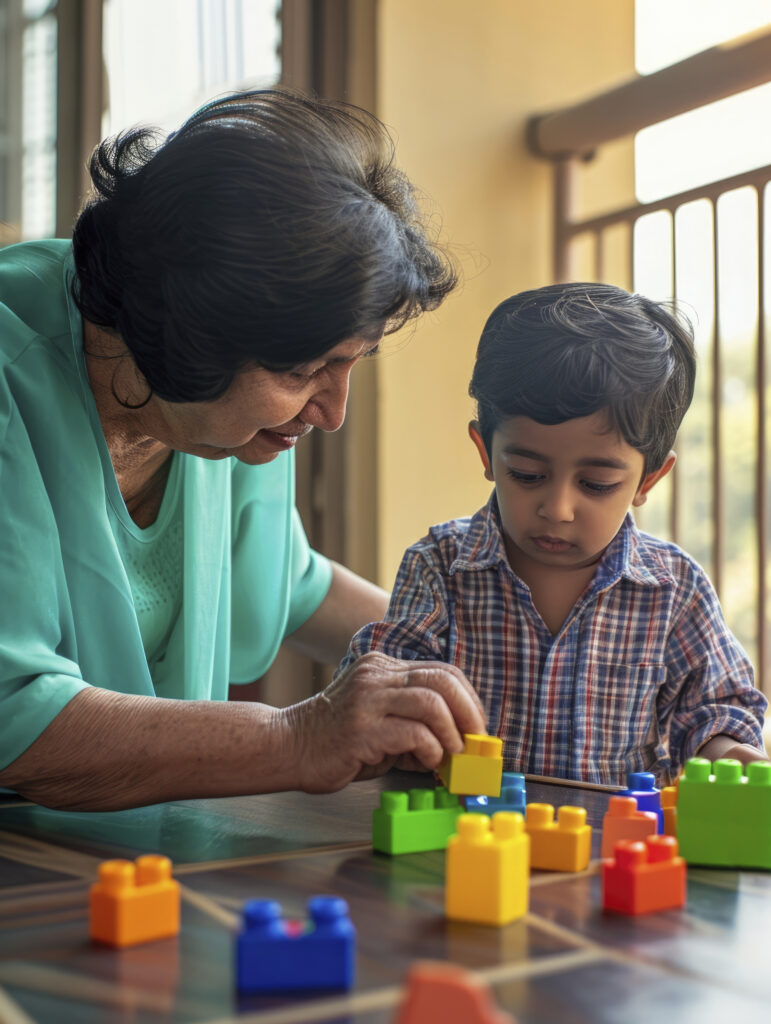
Understanding Autism: Every Child Deserves to Shine
Understanding Autism: Every Child Deserves to Shine Every child is unique, with their own way of learning, communicating, and exploring the world. Some children may develop differently from their peers, and one such difference is Autism Spectrum Disorder (ASD). Understanding autism with empathy and awareness is the first step toward helping every child reach their full potential. What is Autism? Autism Spectrum Disorder (ASD) is a neurodevelopmental condition that affects how a person communicates, interacts with others, and experiences the
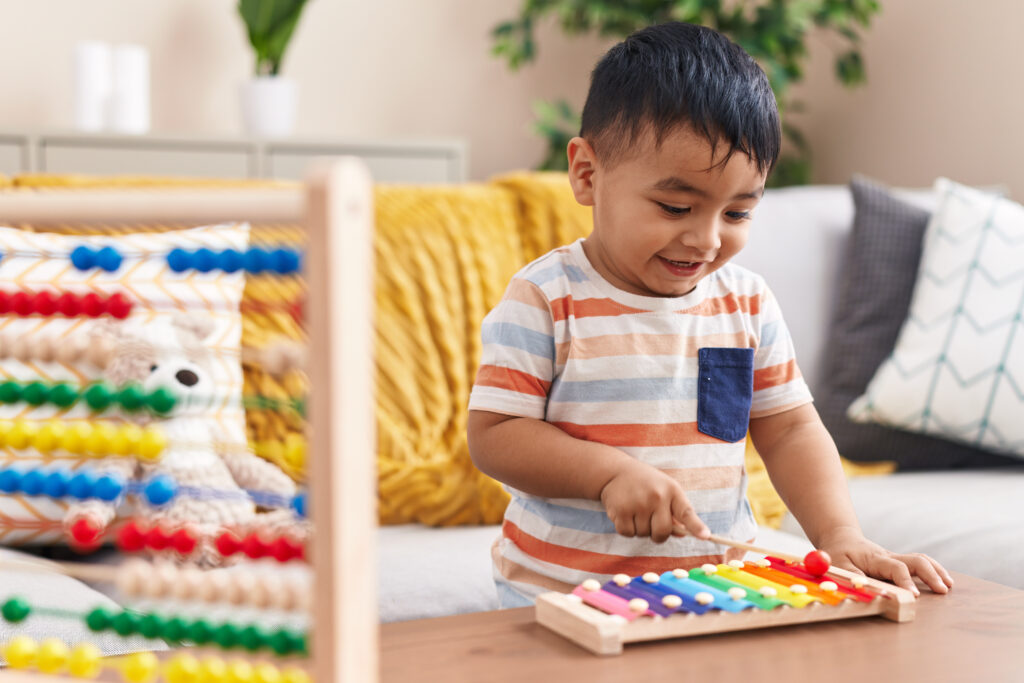
Understanding ADHD: A Guide for Parents and Preschools
Understanding ADHD: A Guide for Parents and Preschools Every Child Learns Differently Children are naturally active, curious, and full of energy. They may find it difficult to sit still, follow instructions, or stay focused at times. However, when these behaviours become frequent, intense, and begin to affect a child’s learning, relationships, and daily routine, they may be signs of Attention-Deficit/Hyperactivity Disorder (ADHD). The good news is that with early identification, understanding, and the right support, children with ADHD can thrive,

Speech and Language Development in Preschoolers
What Parents Should Know The preschool years (ages 2 to 5) are a critical time for speech and language development. During this stage, children move from saying simple words to forming full sentences, expressing emotions, asking questions, and telling stories. Understanding the typical milestones and how to support your child’s growth can make a big difference in their communication skills and confidence. 🧠 What is Speech and Language? Speech is how we say sounds and words (articulation, fluency, voice). Language

Show & Tell: Nurturing Confidence, Communication, and Strong Parent–Child Connections
Show & Tell activities play a vital role in a child’s overall development, especially in the early years of schooling. Although it may seem like a simple classroom exercise, it significantly helps in building confidence as children get the opportunity to speak in front of their peers, gradually overcoming stage fear. It also enhances their communication skills by encouraging them to express their thoughts clearly, improve their vocabulary, and develop both speaking and listening abilities. Through this activity, children learn