


Dyscalculia is a learning difficulty that makes it hard for a person to understand numbers and math. Just like dyslexia affects reading and writing, dyscalculia affects learning math.
Children with dyscalculia may be smart and good at other subjects, but when it comes to numbers, they feel confused or anxious.
What Does It Look Like?
Let’s meet Anaya, a cheerful child who loves drawing and telling stories. But during math class, she struggles. She can’t remember what “5 + 3” equals, and when she tries to count objects, she skips numbers or counts the same object twice. Even telling time or handling money is difficult for her.
This is a sign of dyscalculia.
Common Signs of Dyscalculia:
Trouble recognizing numbers or learning to count
Difficulty remembering basic math facts (like 2 + 2 = 4)
Mixing up math symbols (+, –, ×, ÷)
Struggling to understand time, days, or directions (like left and right)
Getting anxious or frustrated during math activities
How Can We Help?
Dyscalculia is not caused by laziness or a lack of effort. It’s simply the way the brain processes numbers differently. But with the right support, children with dyscalculia can learn and do well in school.
Ways to support children:
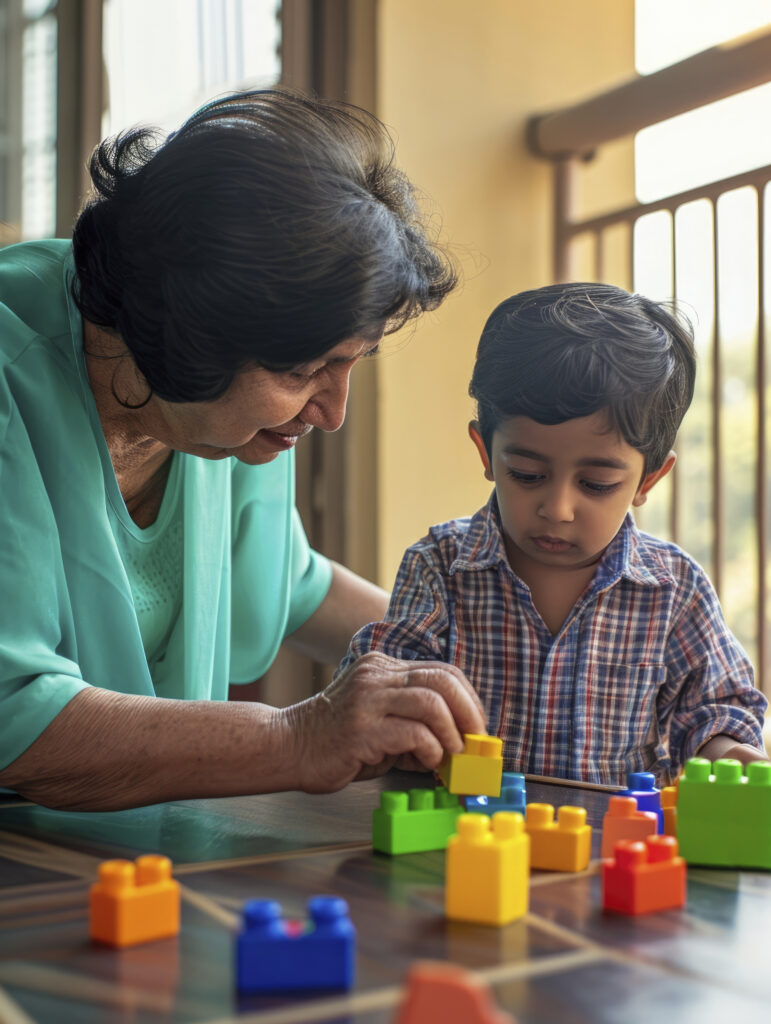
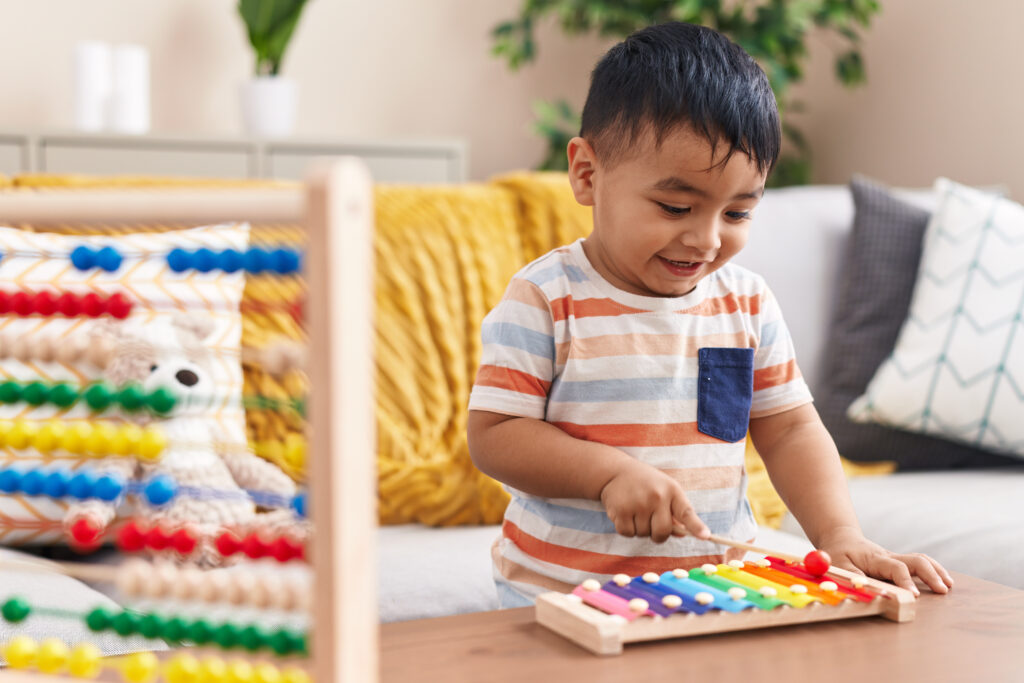
Use visual aids like blocks, beads, or number charts
Practice math with games and daily life activities (like shopping or cooking)
Give extra time and lots of encouragement
Ask for help from teachers or special educators
Every Child Can Shine
Math may be tough for children with dyscalculia, but they often show strengths in art, storytelling, music, or building things. With love, patience, and support, they too can succeed and feel proud of their progress.