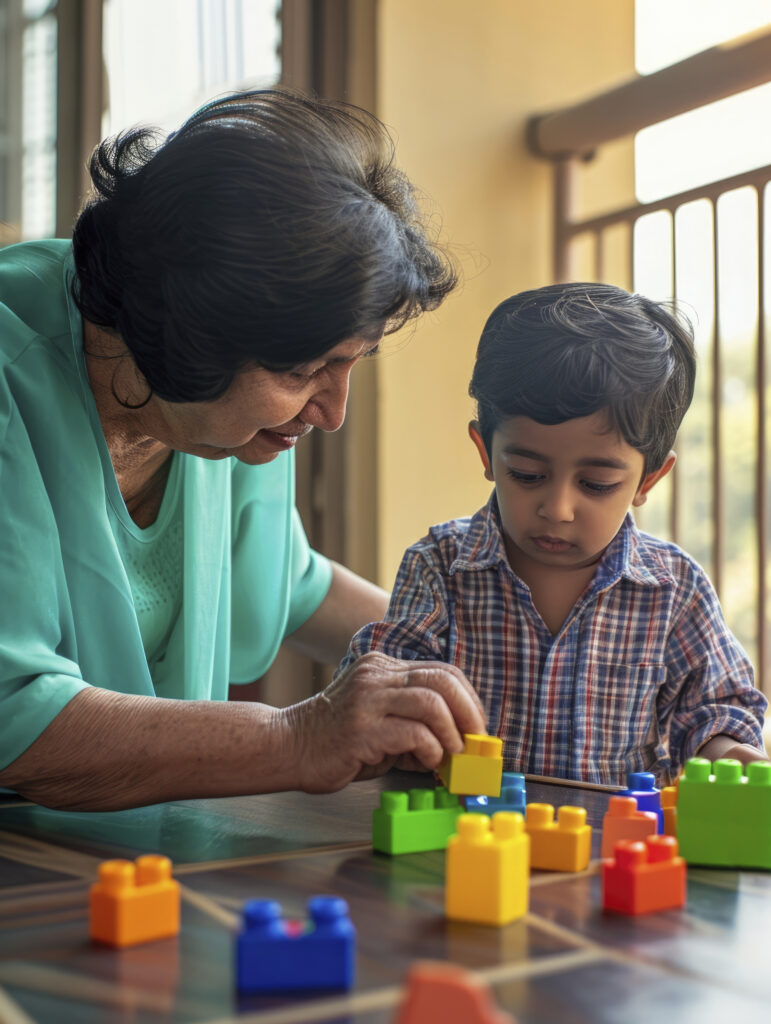



Imagine a child named Parav. He’s curious, full of questions, and loves building with blocks. But when it’s time to read or write in class, he feels lost. Letters seem to dance on the page, and he struggles to spell even simple words like “cat” or “sun.” Aarav is smart—but he has dyslexia.
Dyslexia is a common learning difficulty that affects how the brain processes written language. It doesn’t mean a child isn’t intelligent or lazy. In fact, many famous people like Albert Einstein, Leonardo da Vinci, and Walt Disney had dyslexia and still achieved great things.
What Does Dyslexia Look Like?
Children with dyslexia may:
Mix up letters like b and d or p and q
Read very slowly or skip words while reading aloud
Spell words incorrectly even after repeated practice
Struggle to remember rhymes, days of the week, or the alphabet
For example, a child might write “gril” instead of “girl” or “frneds” instead of “friends.” They may avoid reading activities or feel embarrassed in front of others.
Why Early Help Matters
Dyslexia is not an illness—it’s a different way of learning. With the right support, children can overcome their reading difficulties and gain confidence. Special teaching strategies like phonics-based learning, using audio books, and giving extra time in class can make a big difference.
How Can Parents Help?
Be patient and encouraging. Praise effort, not just results.
Read stories aloud to your child and let them follow along.
Play word games to build their vocabulary and sound recognition.
Talk to teachers or specialists if you notice signs of struggle.
Every child learns differently. Dyslexia may make reading hard, but it also often comes with strengths like creativity, problem-solving skills, and strong imagination.
Let’s support children like Parav—not by focusing on what they can’t do, but by celebrating all the amazing things they can.